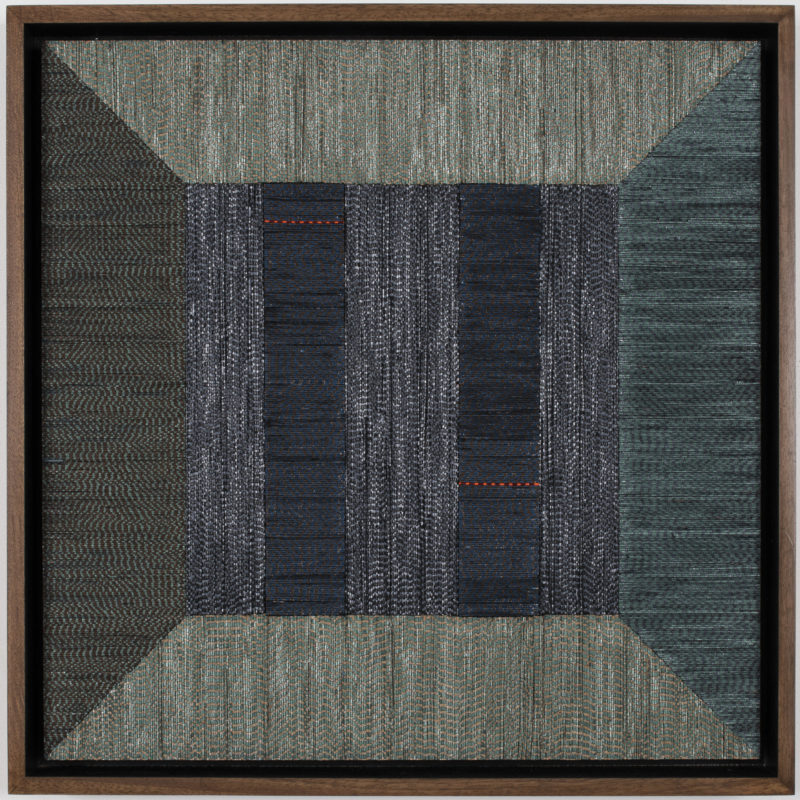
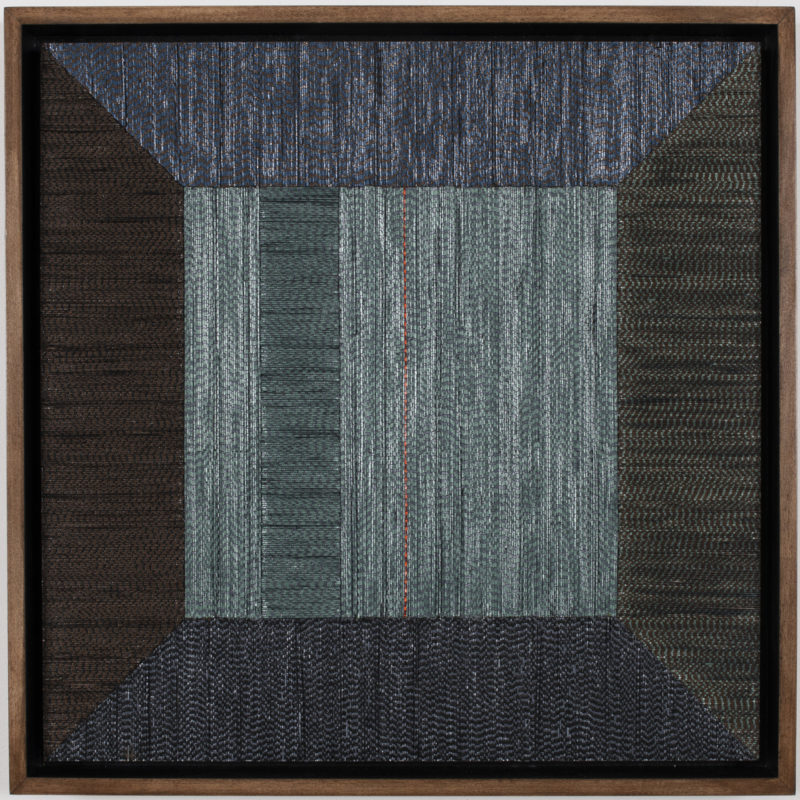
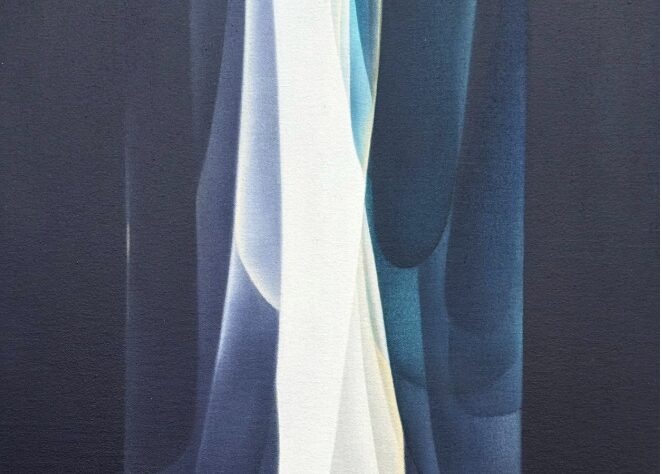
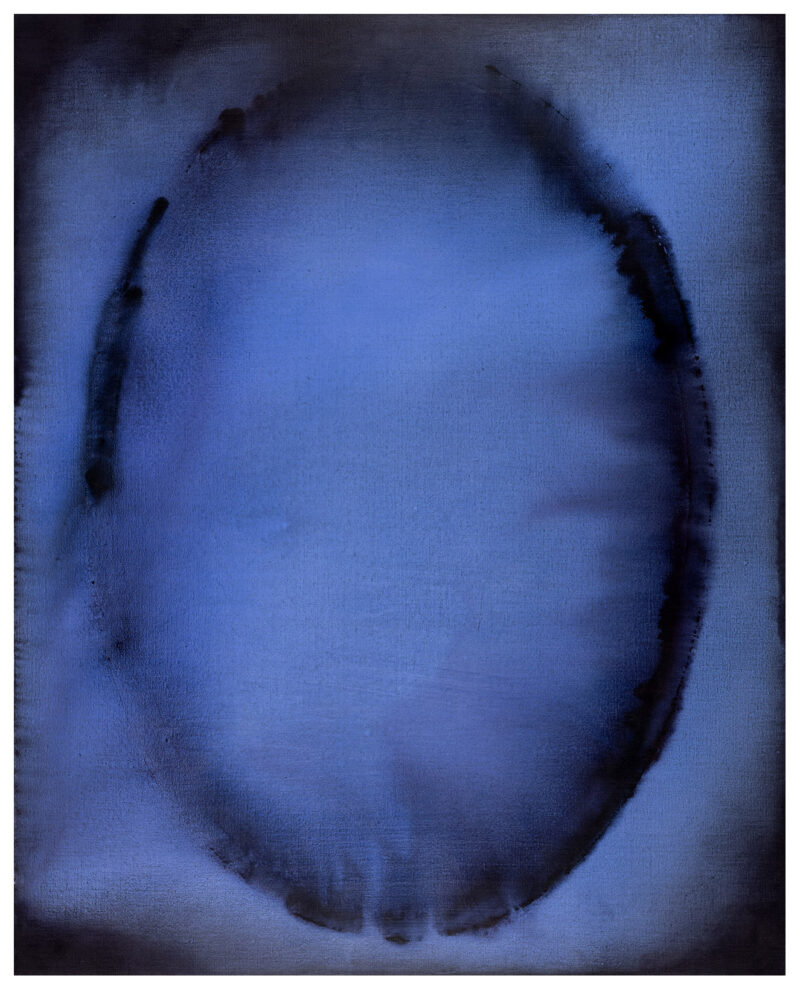
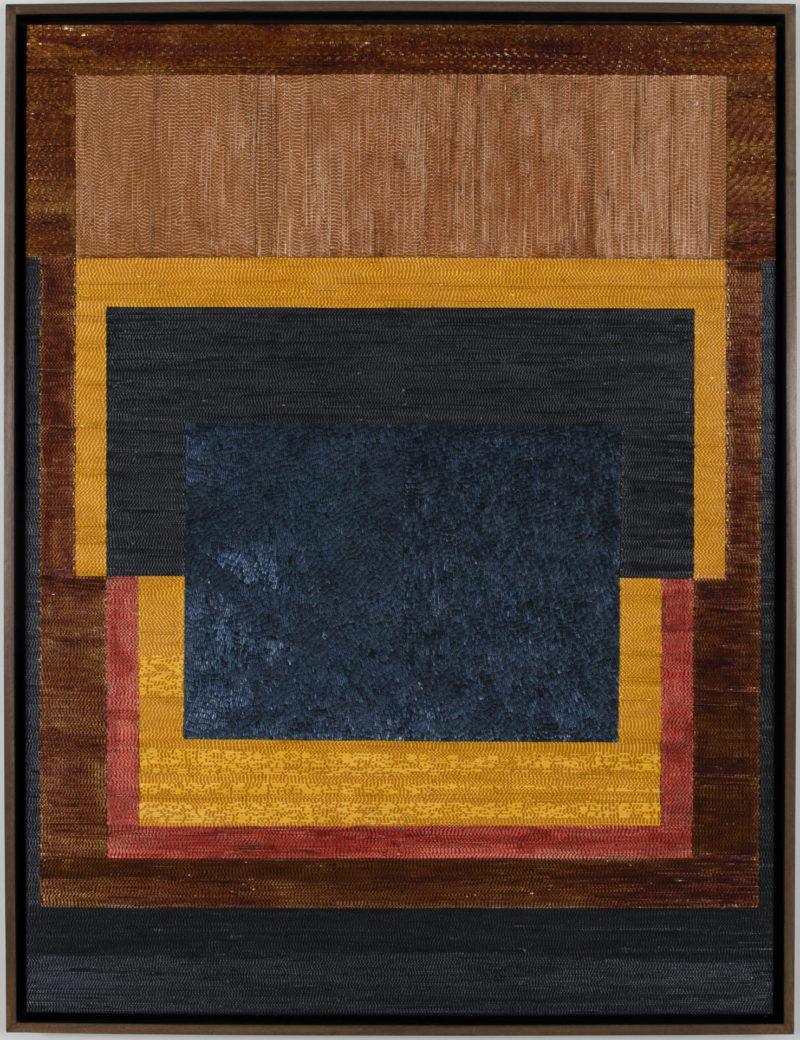
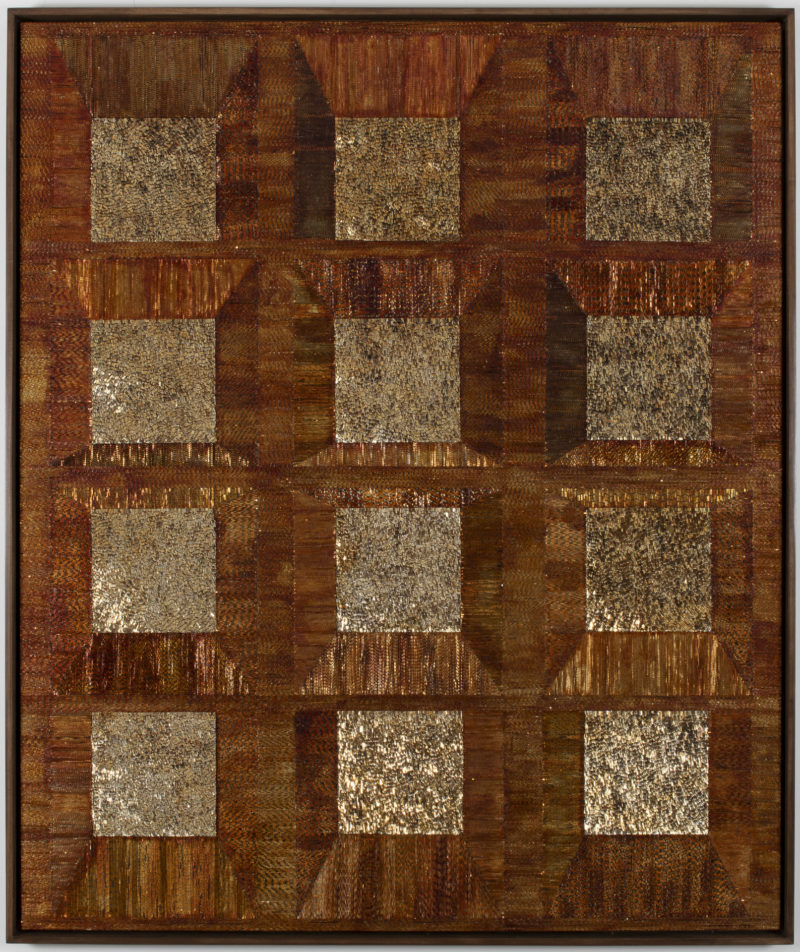
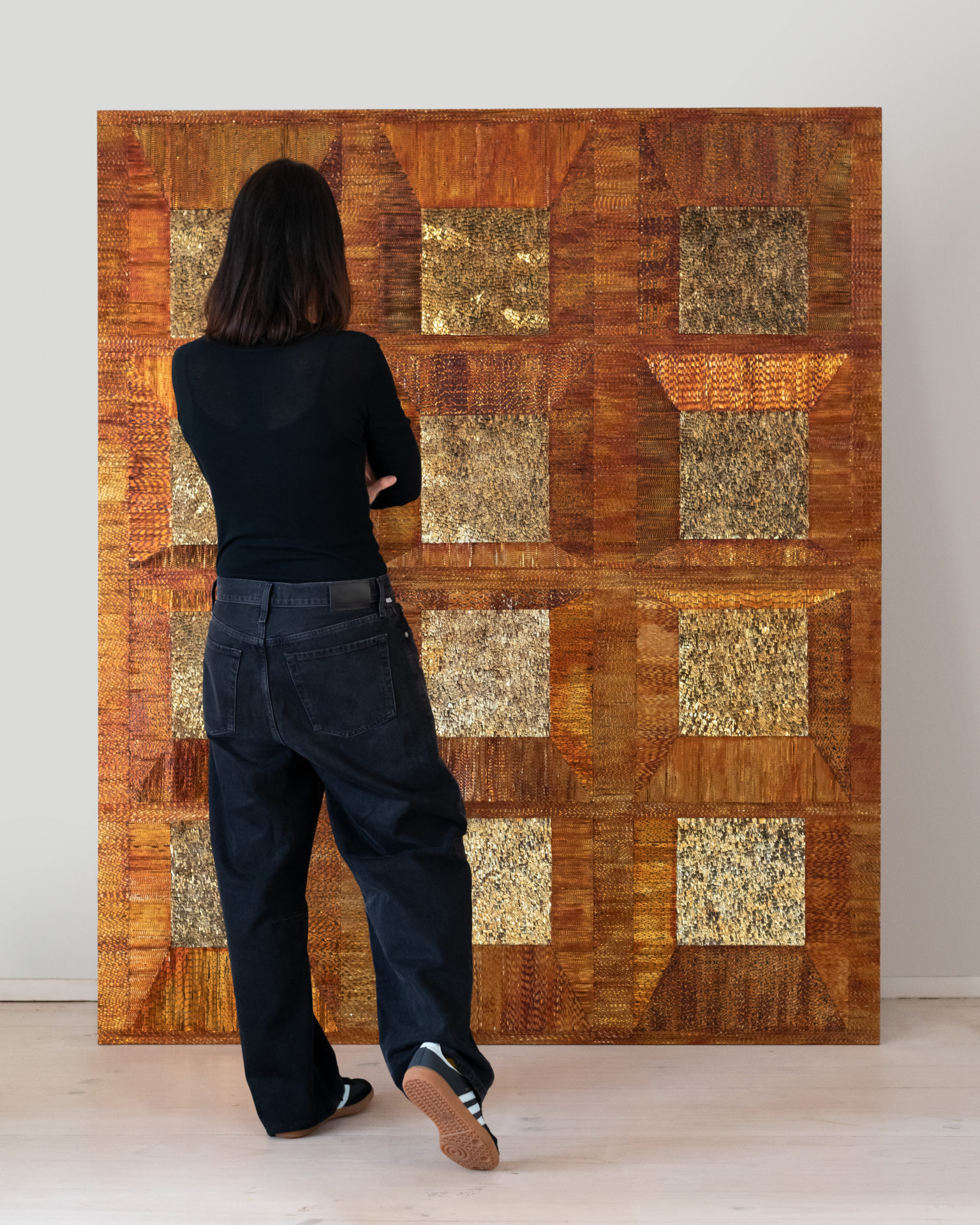
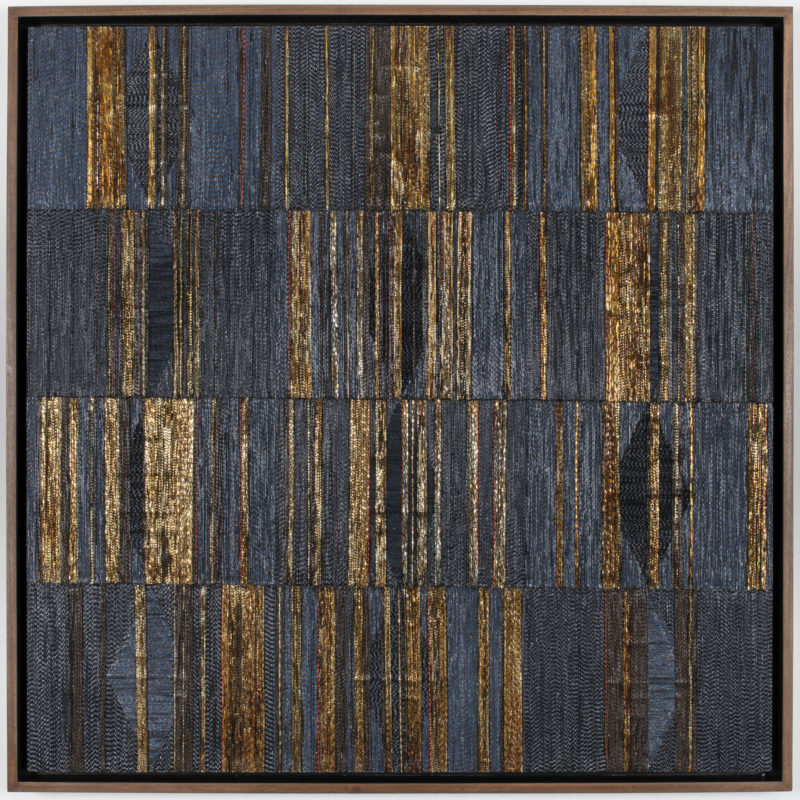
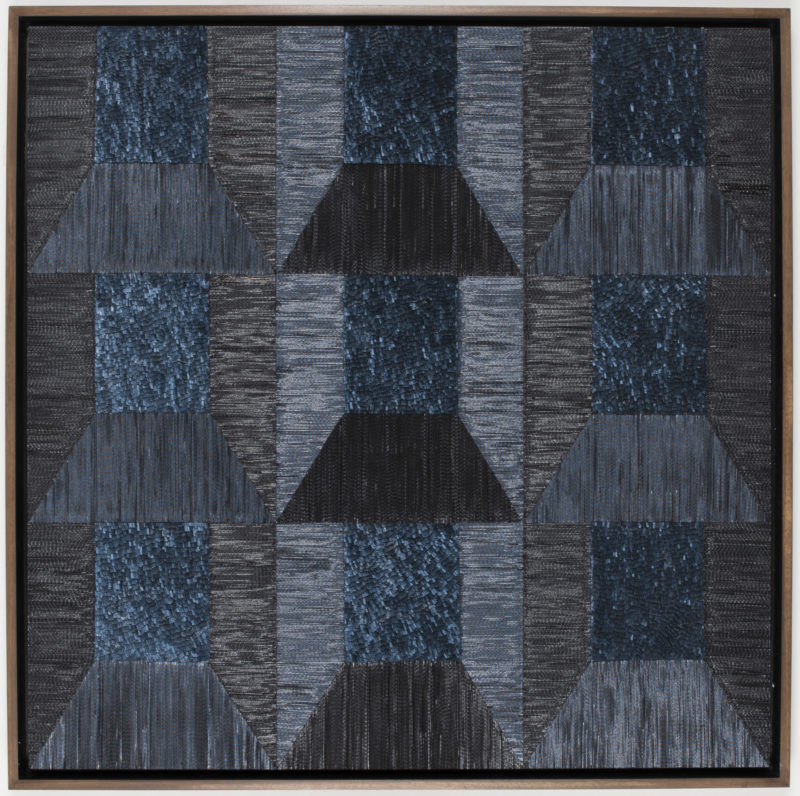
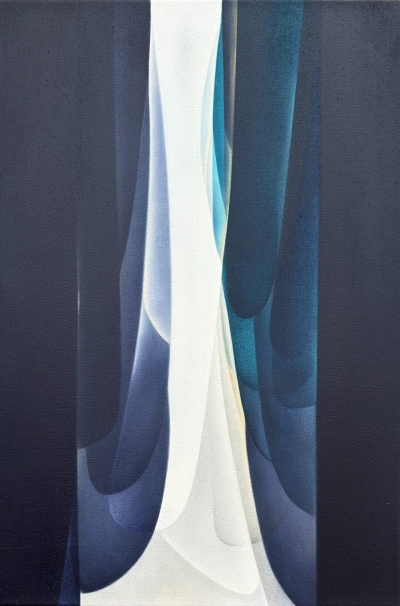
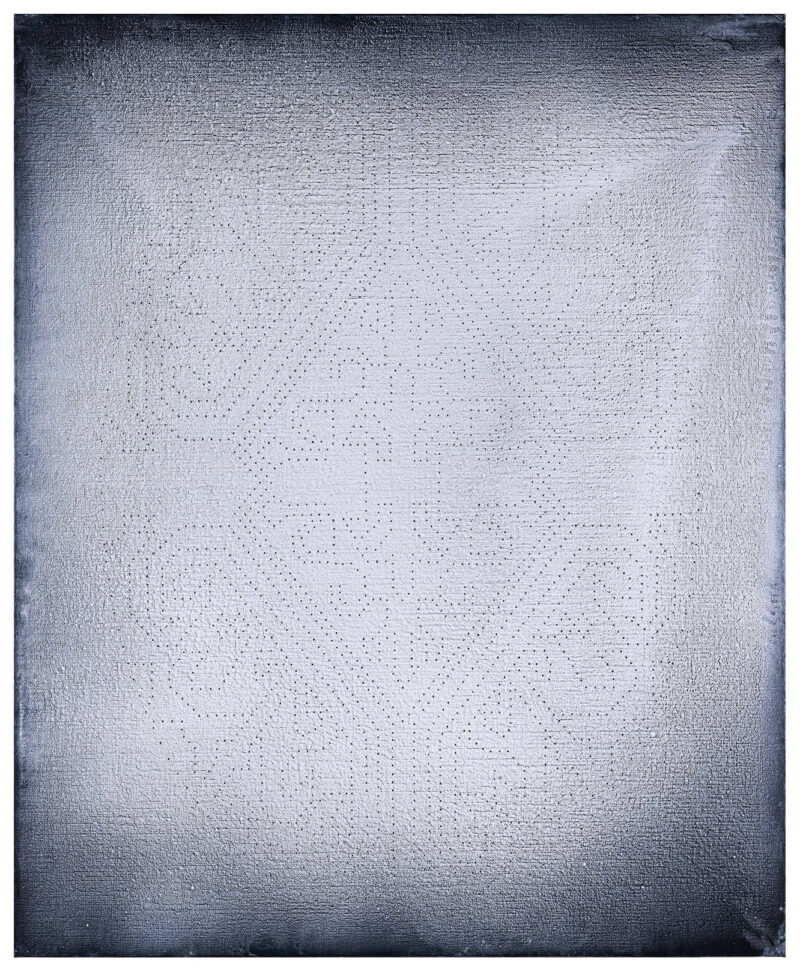
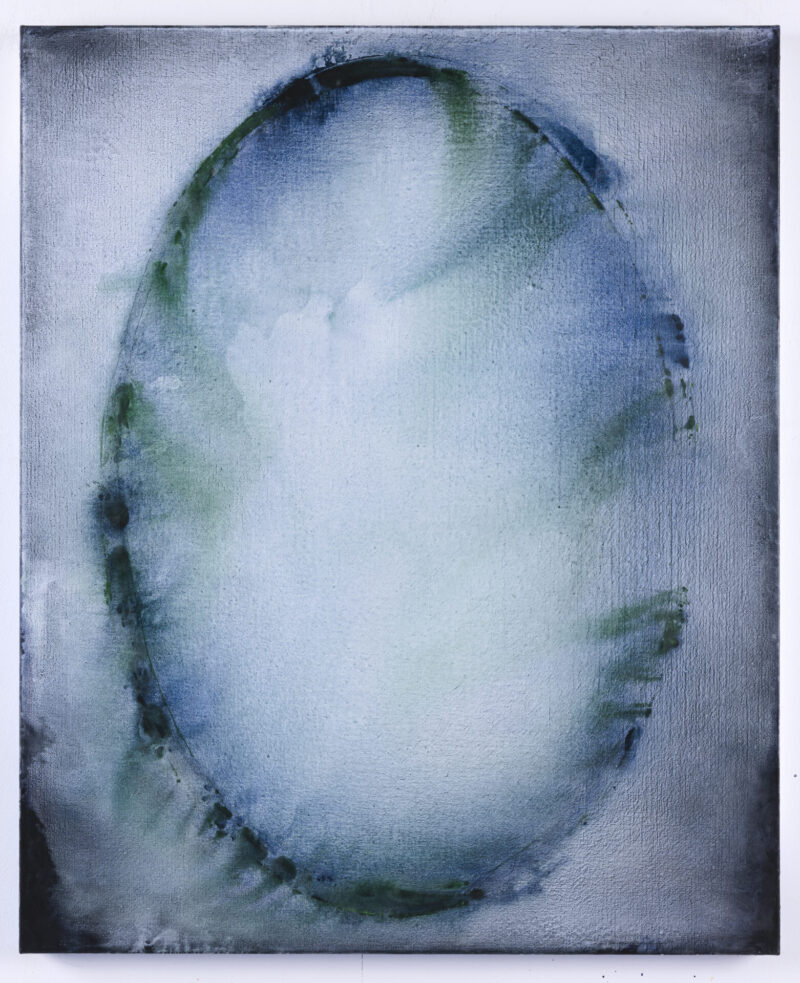
Bringing together the practices of Agneta Ekholm, Galia Gluckman and Elefteria Vlavianos, Where the Light Rests considers surface as a responsive field, one shaped through touch, time and the quiet accumulation of process.
Though distinct in approach, each artist works with an acute sensitivity to material and its capacity to hold and register change. Gluckman, South African–born and based, builds her surfaces through layering, disruption and reworking, allowing the history of each gesture to remain present. Ekholm, born in Finland and now based in Australia, approaches painting with restraint, her compositions unfolding through repetition and tonal calibration, where subtle shifts carry a measured intensity. Vlavianos, born in Zimbabwe to a refugee family and now living and working in Australia, employs wax to create surfaces that hold and diffuse light, producing a sense of luminosity that is at once delicate and unstable.
Light moves differently across each practice. It is absorbed, interrupted, or suspended, never fixed, but contingent on material and condition. In Vlavianos’ works, it settles within the wax, creating depth that shifts with the viewer’s position. In Ekholm’s paintings, it emerges gradually through structure and variation. In Gluckman’s work, it is caught and broken across layered surfaces, reinforcing the physicality of the medium.
Across the exhibition, process remains visible. There is no attempt to conceal the act of making, instead, each work holds its own temporality, shaped through repetition, adjustment and pause. What emerges is a shared language of restraint and attention, where meaning is not declared but allowed to surface over time.
Where the Light Rests does not seek to resolve these practices into a singular narrative. Rather, it creates a space for their proximity — where material, light and surface remain in a state of quiet negotiation. The exhibition invites a slower form of looking, attuned to nuance, and to the ways in which perception shifts through duration and encounter.