Encounters with the so-called ‘good neighbours’ have been a part of the human experience for centuries, documented in cultures across the planet. Variously considered to be nature spirits, the lingering descendants of an ancient race of humans, fallen angels caught between heaven and hell, extraterrestrials, demons, or the spirits of the dead, their identity remains obscure, despite their ubiquity.
The cultural trajectory of the Faefolk is commonly thought of as that of a fading metaphor – once deeply feared and highly respected entities one would never risk offending, 19th century Romanticism, nostalgia for a romanticised rural past in the face of the Industrial Revolution, and the rising cult of the child during the Victorian era saw these once-formidable spiritual creatures largely reduced to Disneyfied pixies in the Western cultural imagination. Nonetheless their power has endured, with the current ‘magickal renaissance’ and the rise of the podcast seeing a global interest in Fae and Jinn lore steadily grow over the past decade. As humanity grapples with its latest technical revolution, the subversive power of the nature spirit seems to be on the rise once more.
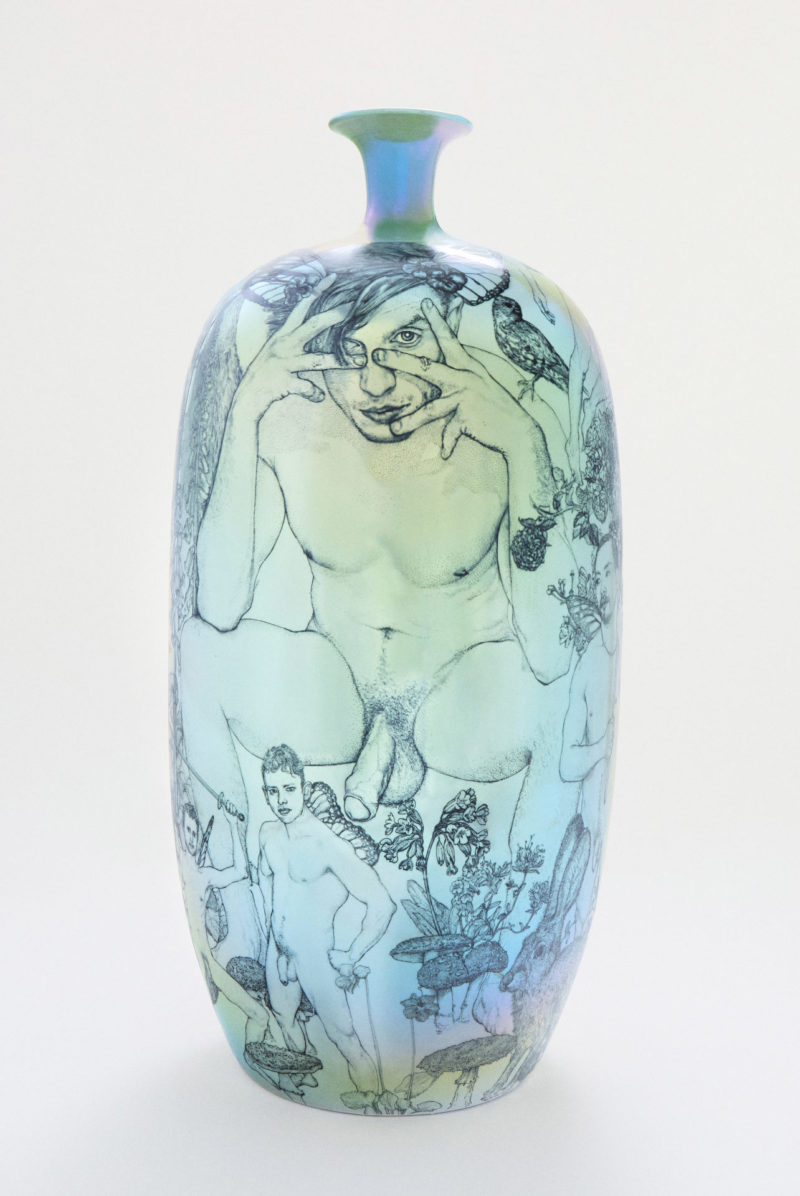
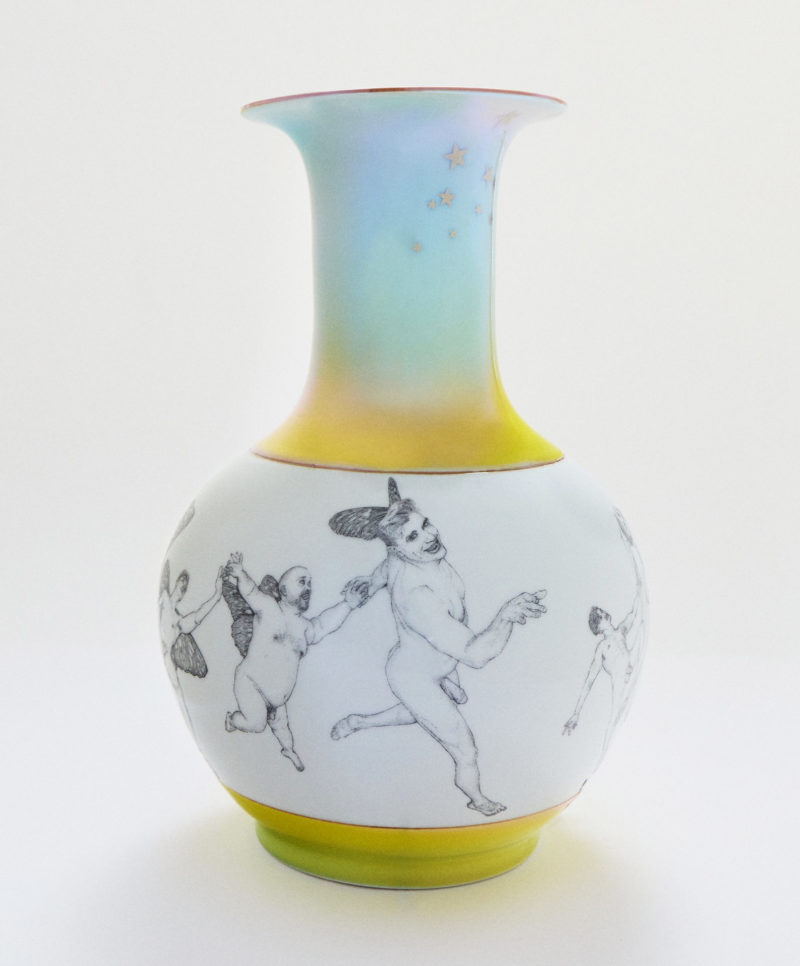
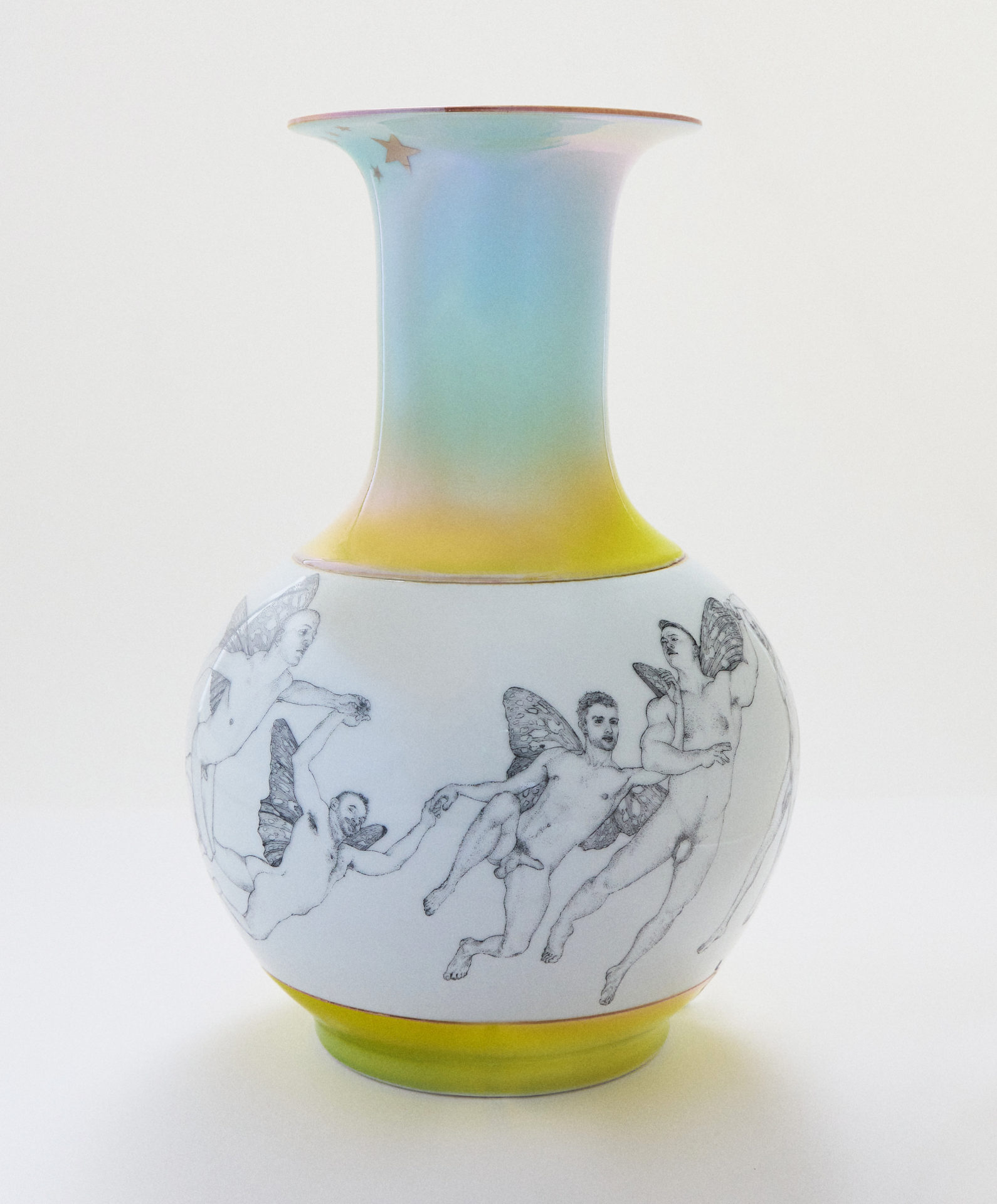
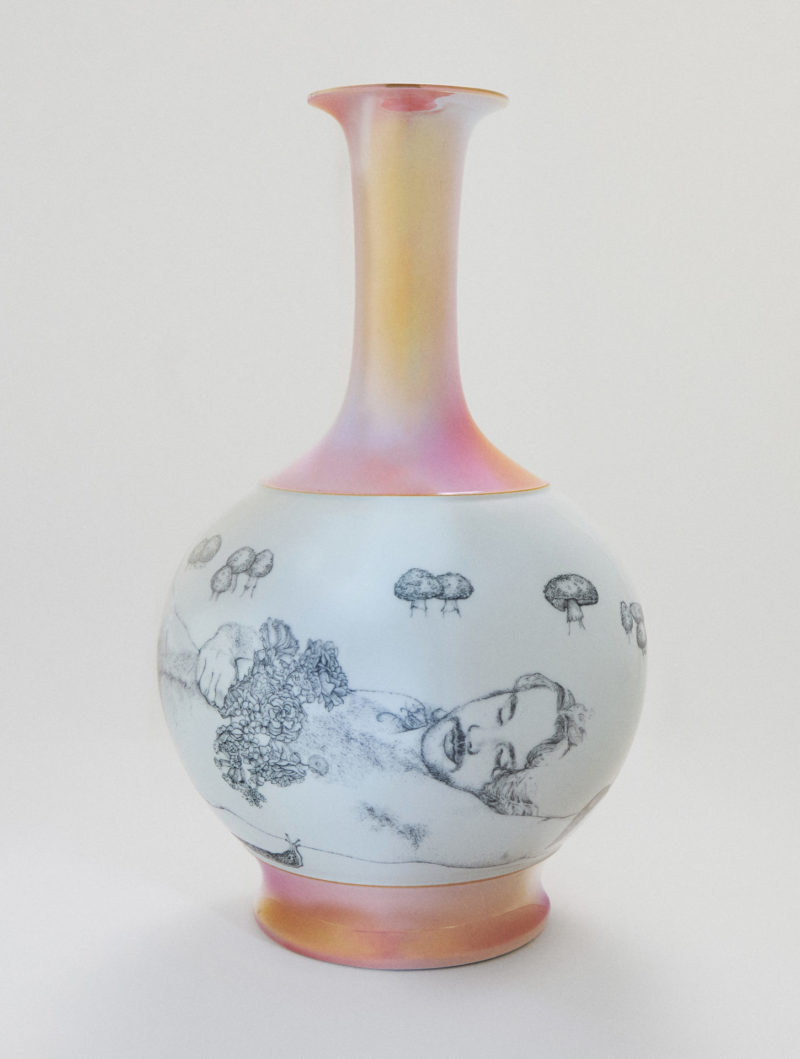
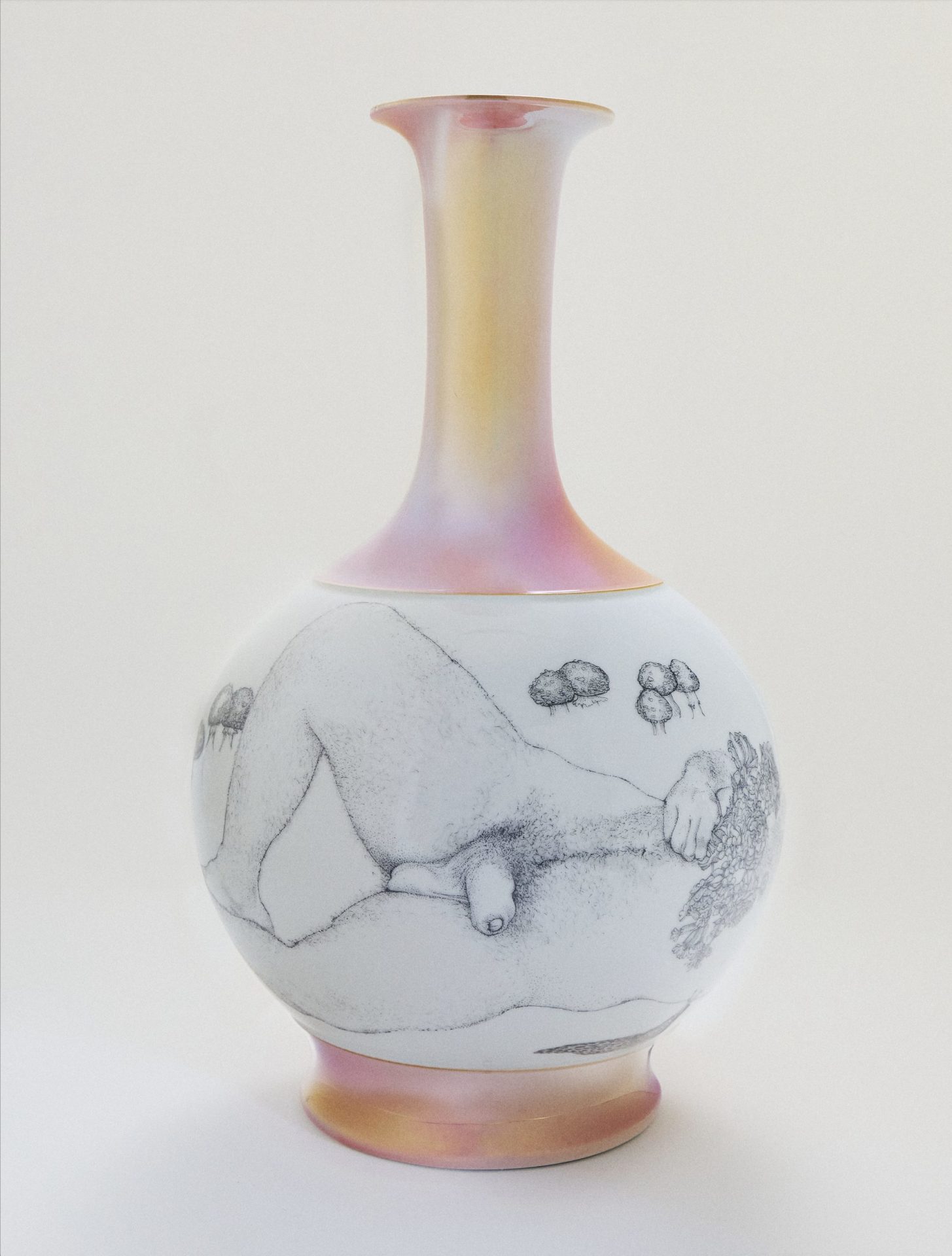
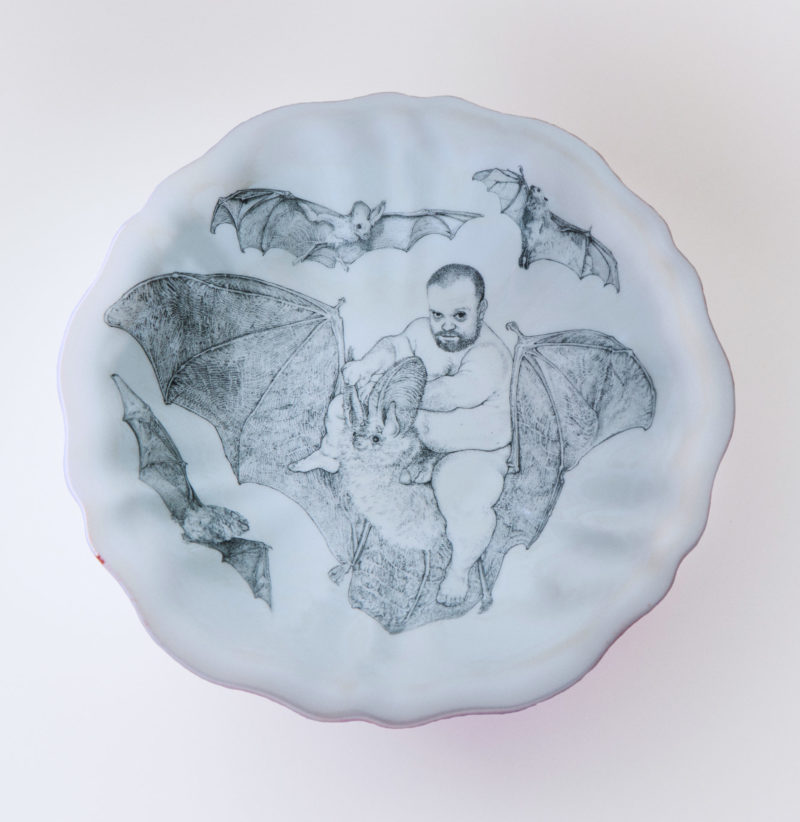
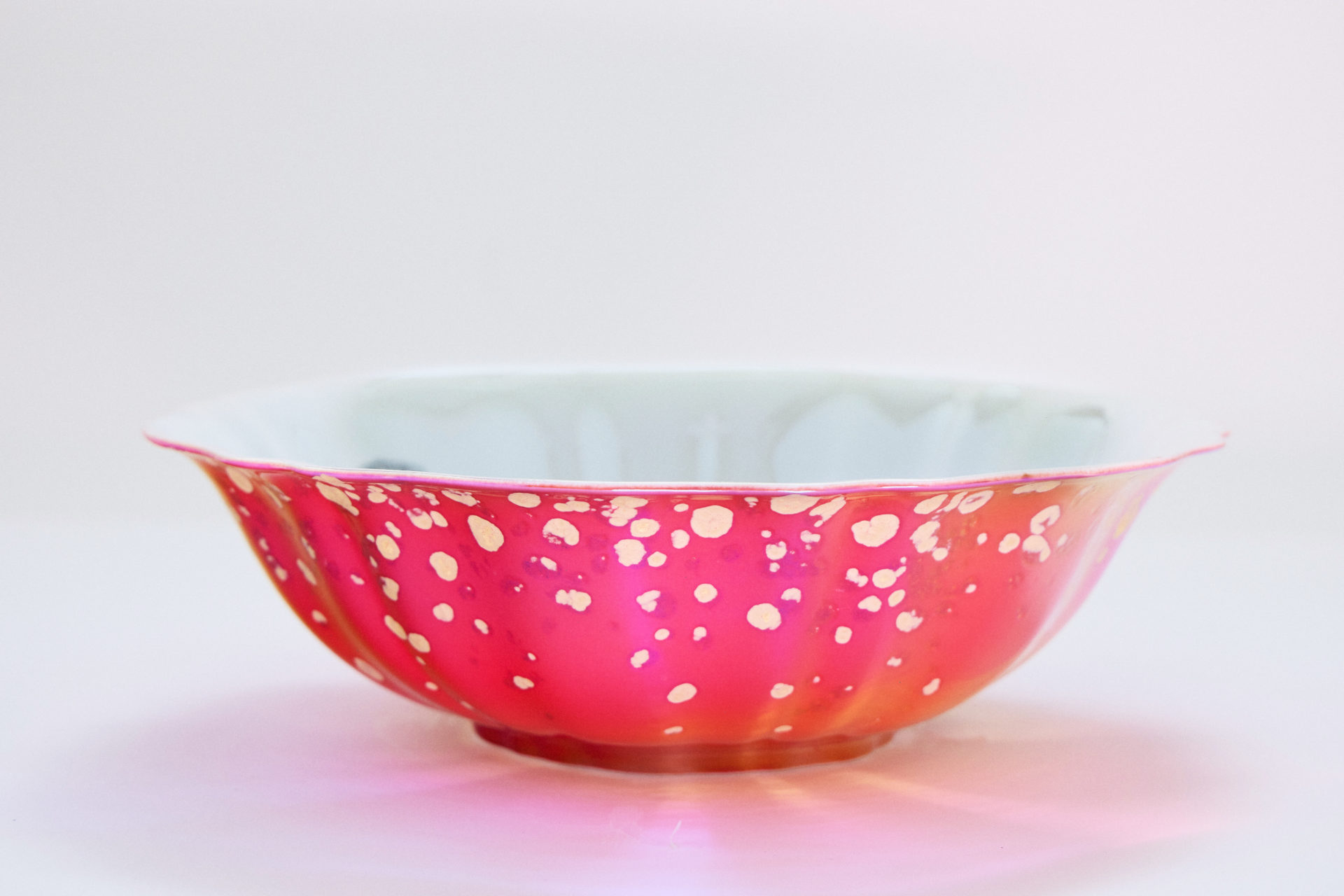
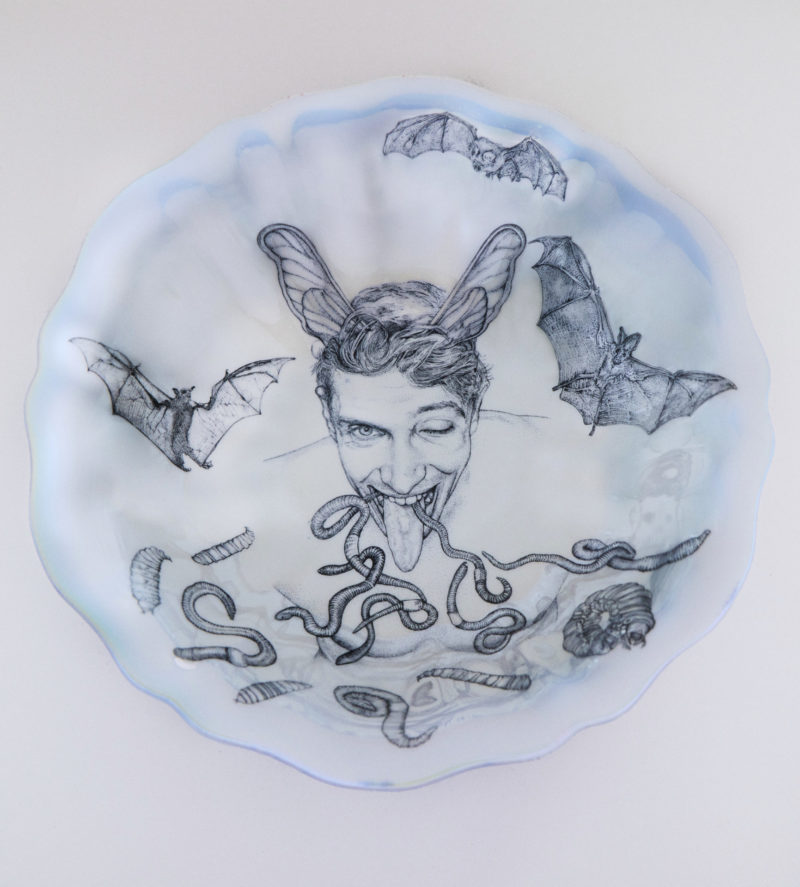
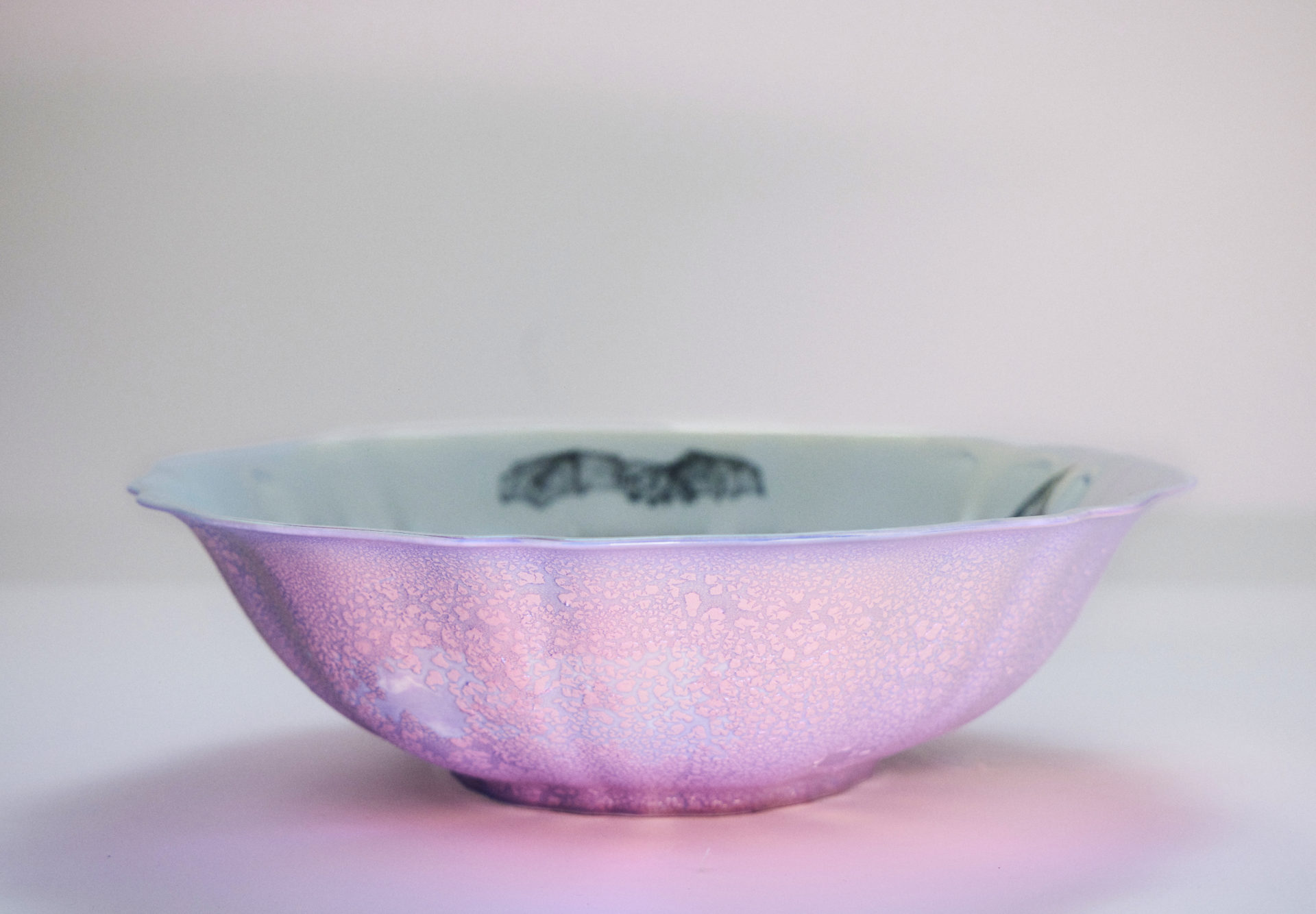
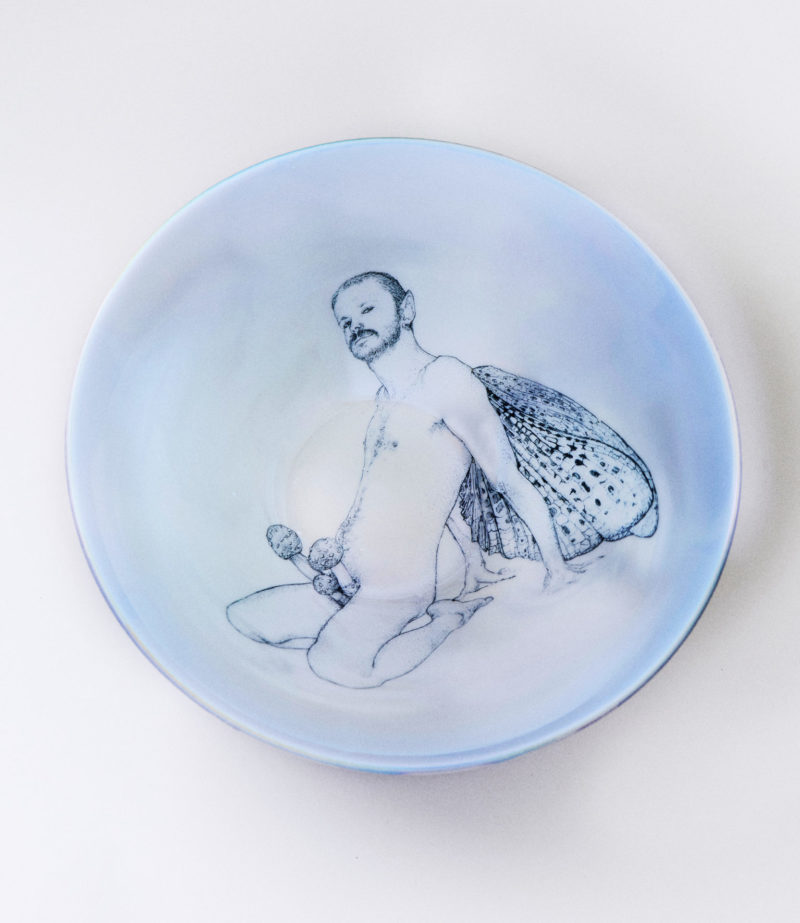
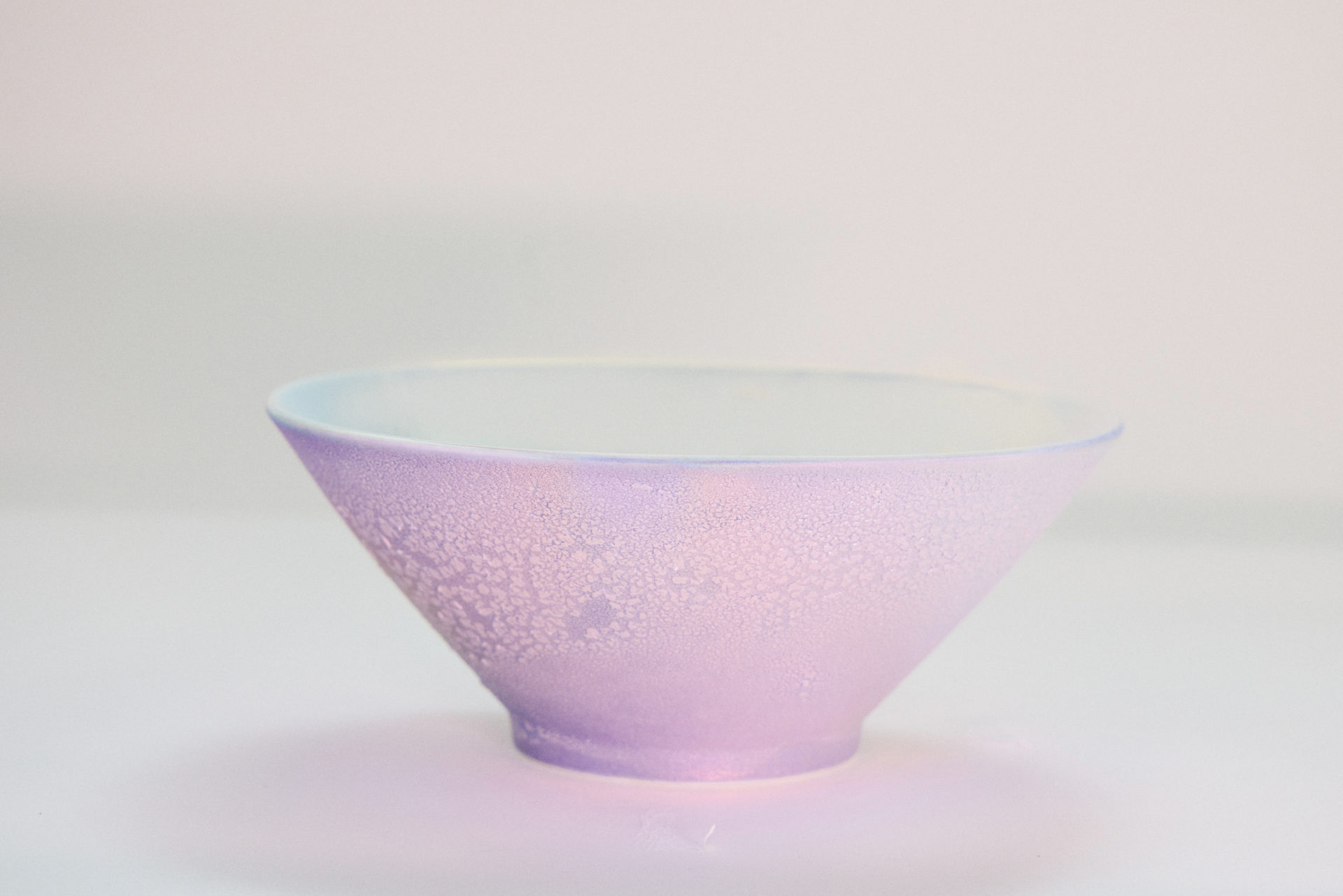
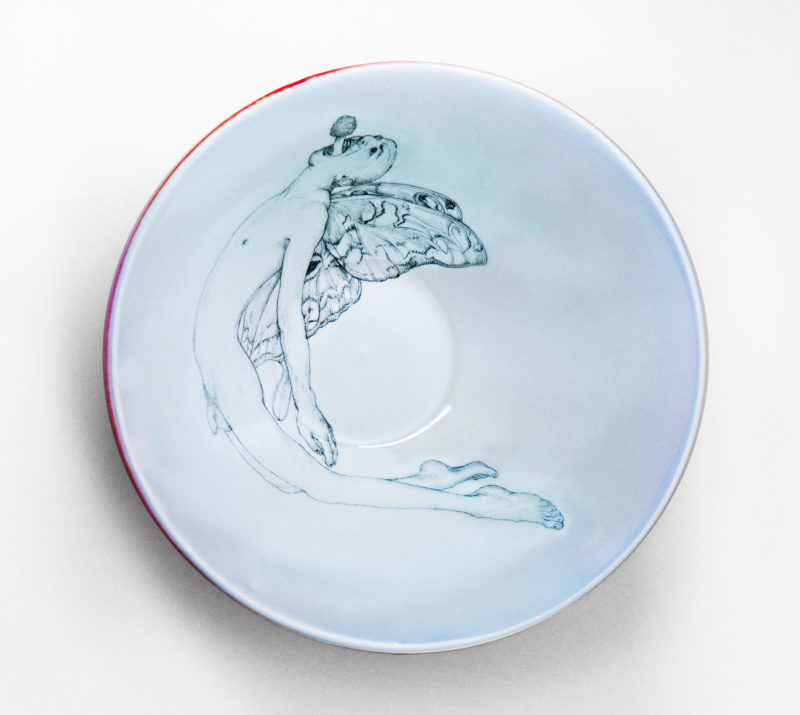
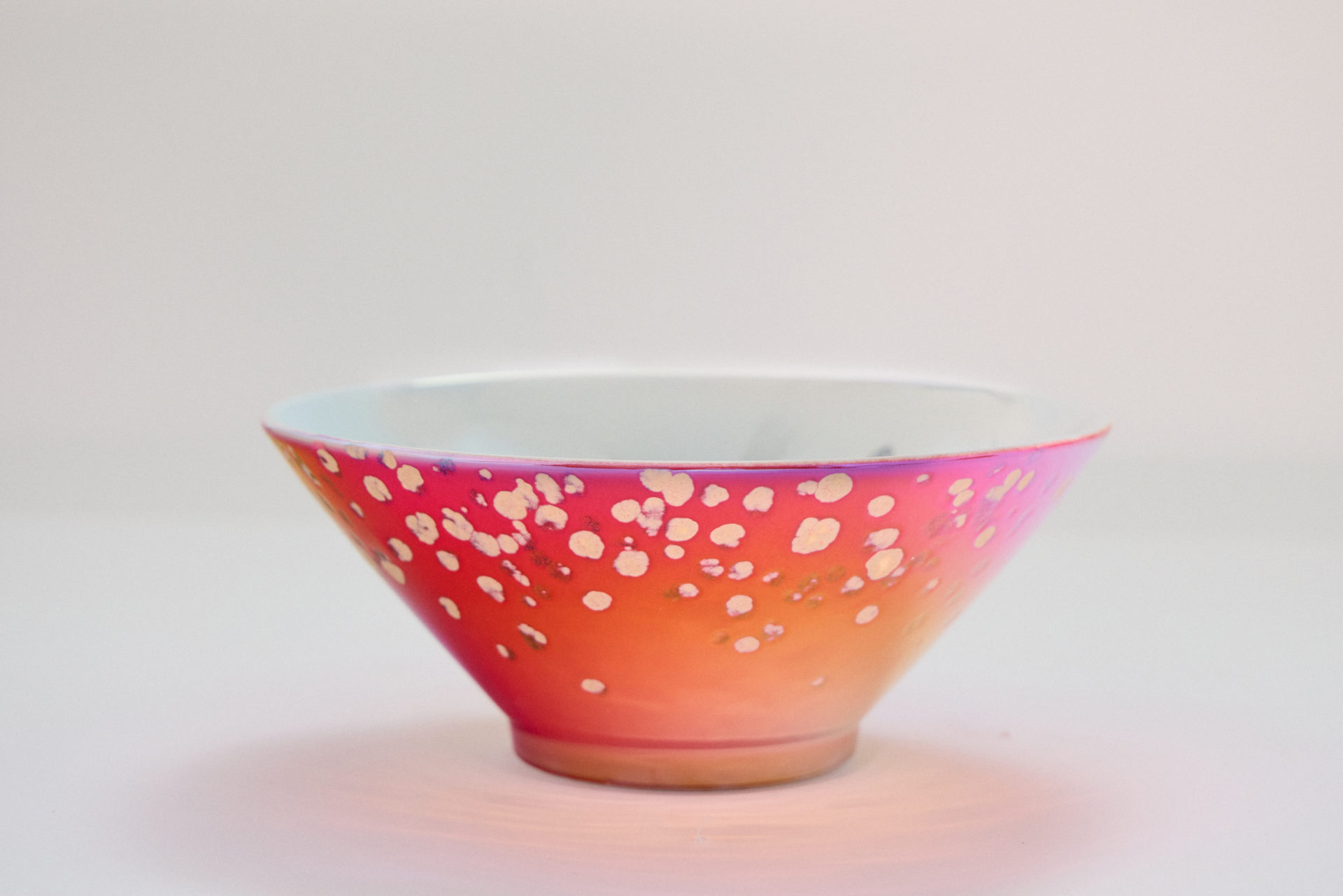
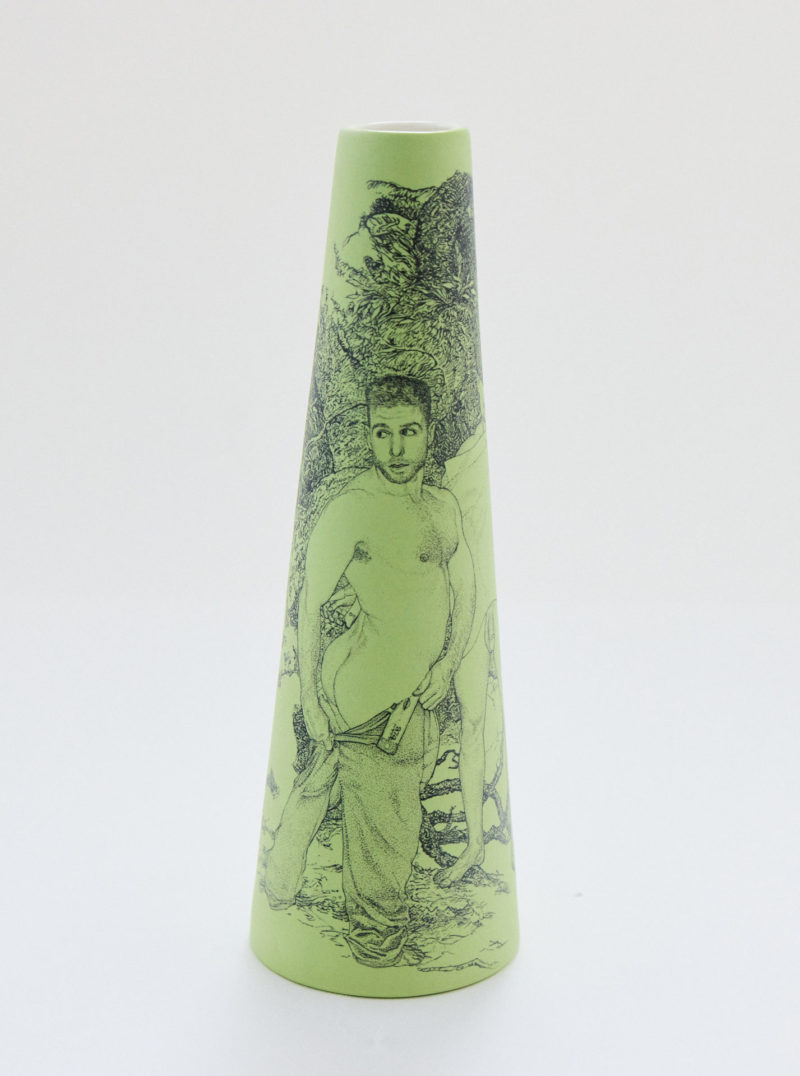
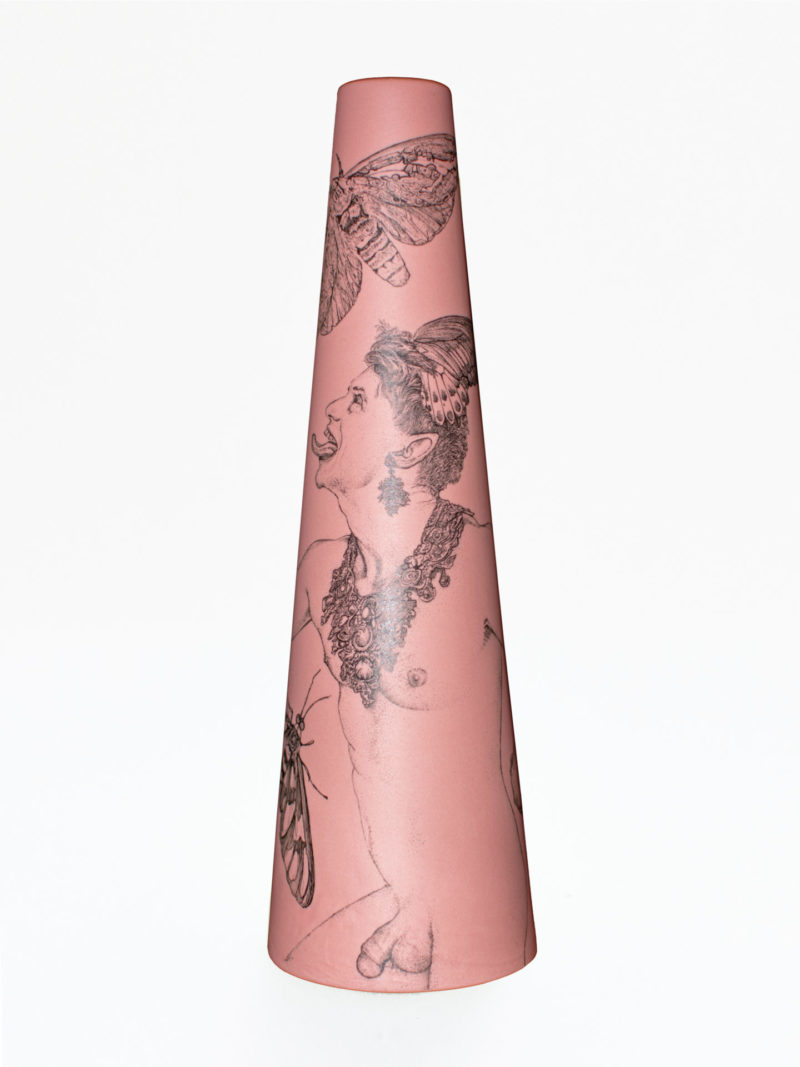
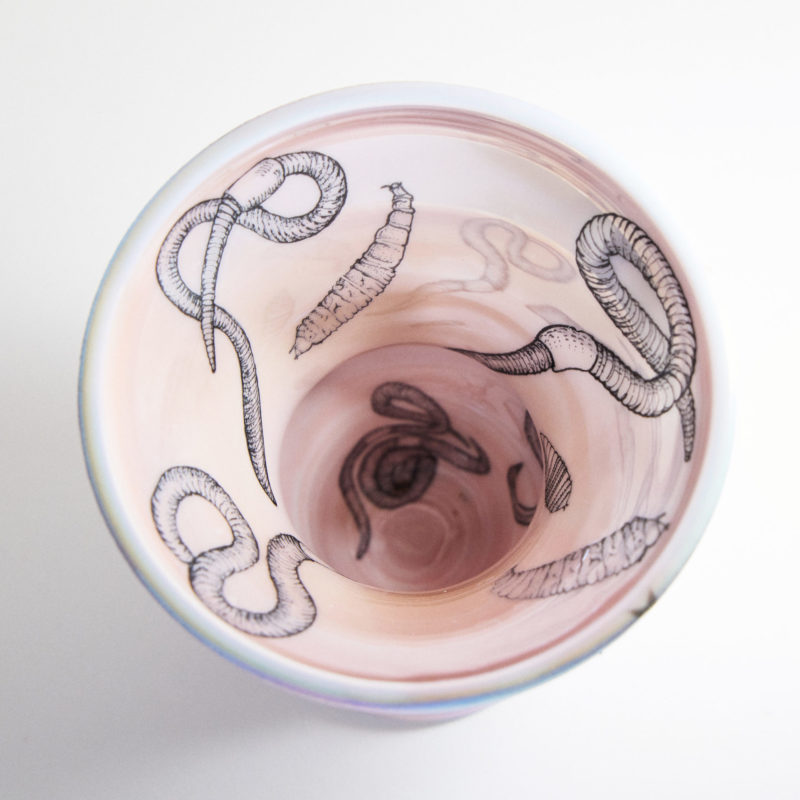
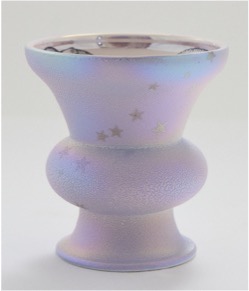
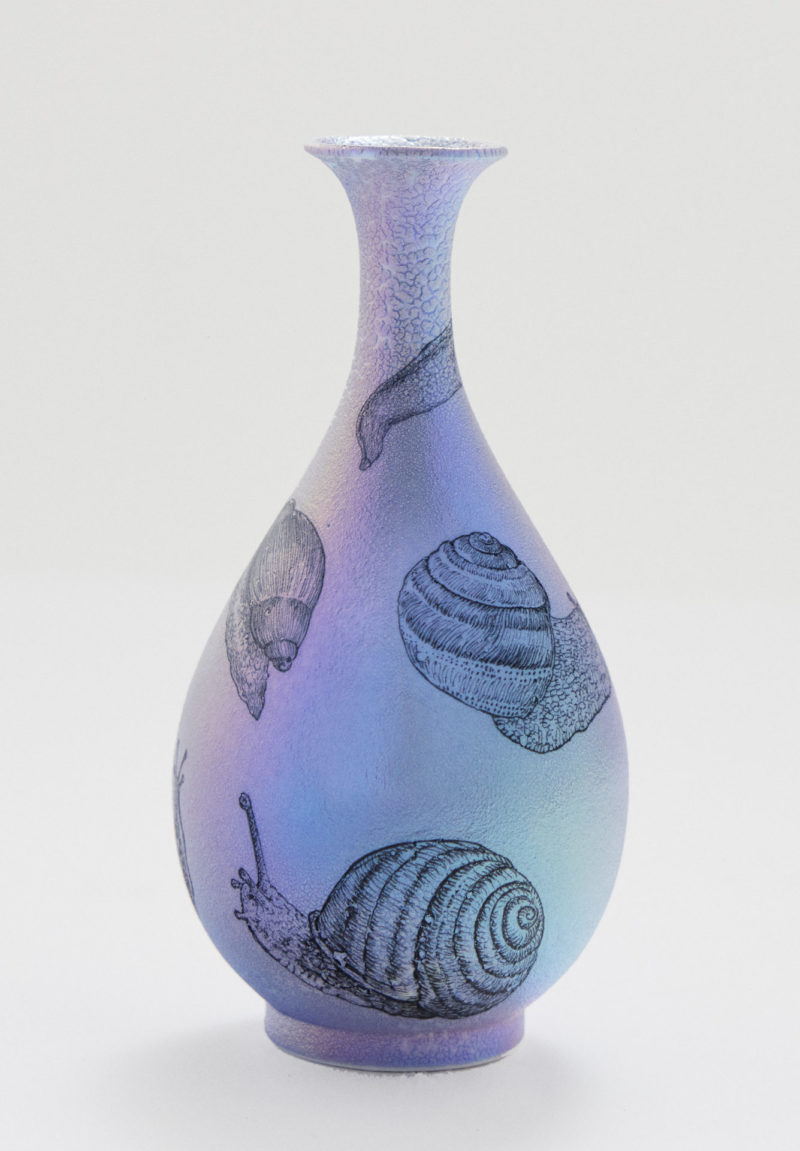
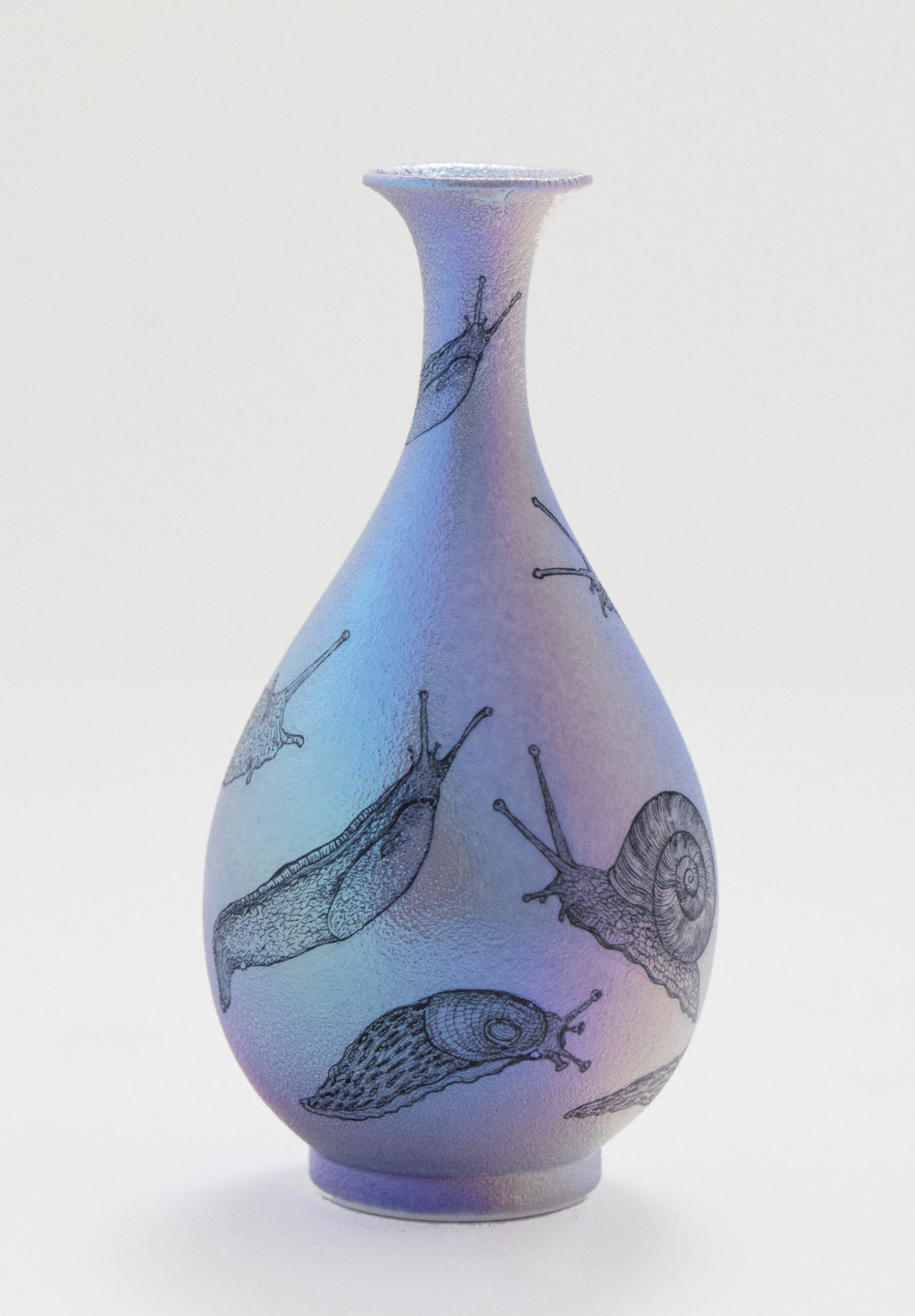
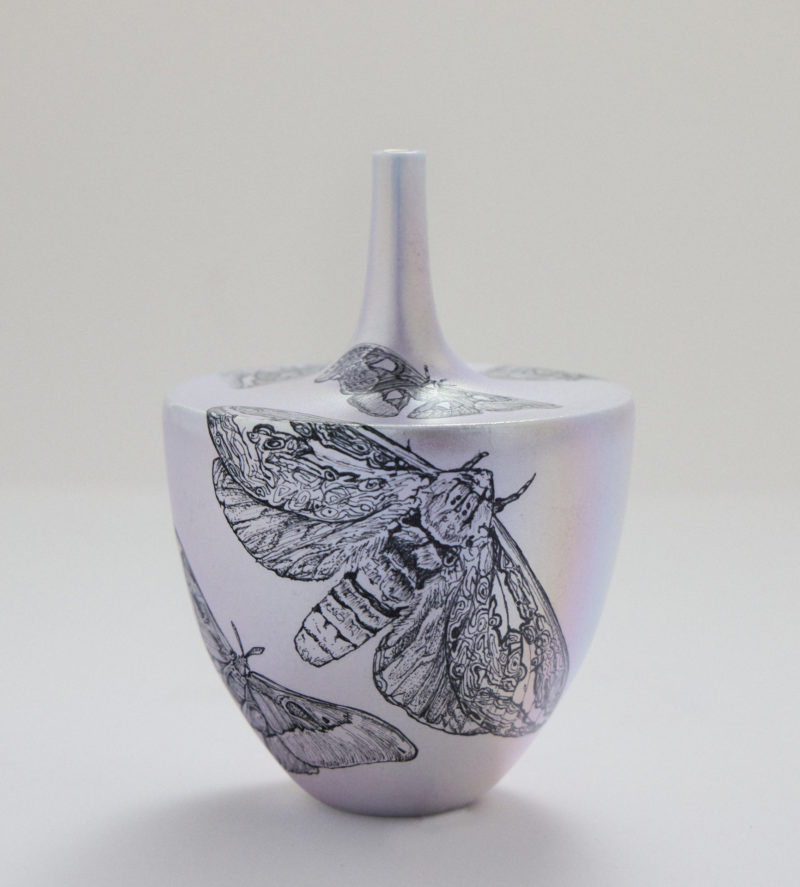
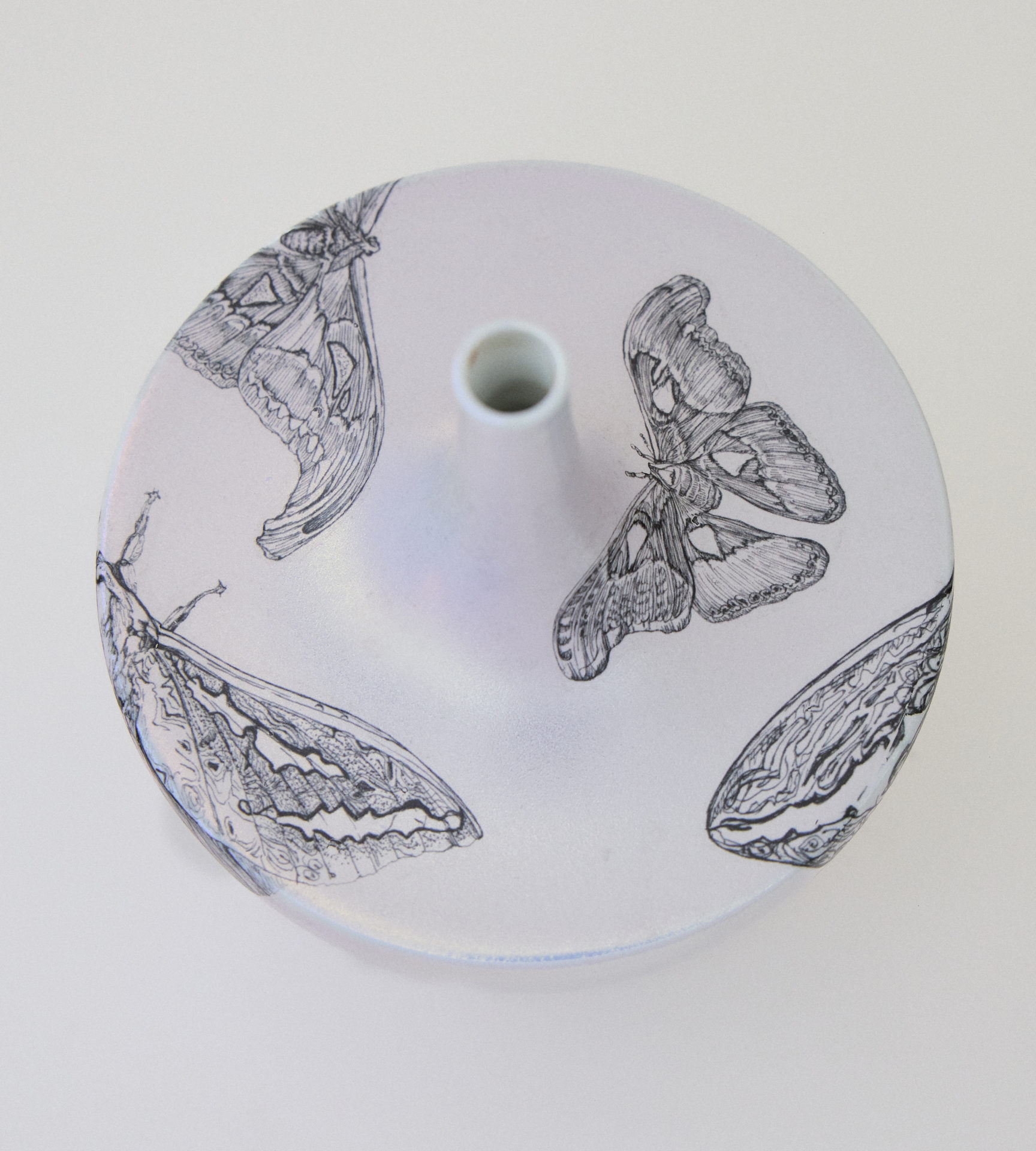
.M Contemporary is pleased to showcase a new body of work by acclaimed Western Australian artist Andrew Nicholls exploring Fae lore and the centuries-old alure of the ‘good folk’. Nicholls’ high-camp ceramic vases, bottles and bowls, created on a residency in Jingdezhen China in May 2025, draw on Fae lore and the historical cultural association of the word ‘fairy’ as a gay slur. The series is inspired by Nicholls’ Scottish heritage, and his own run-in with a possible Jinn on the slopes of an Indonesian volcano in the late 1990s that culminated in a spiritual healing in a hospital emergency ward to release him from a baleful spiritual attachment.